

top
Pilot fatigue: Federation asks DGCA to withdraw flight duty time exemptions
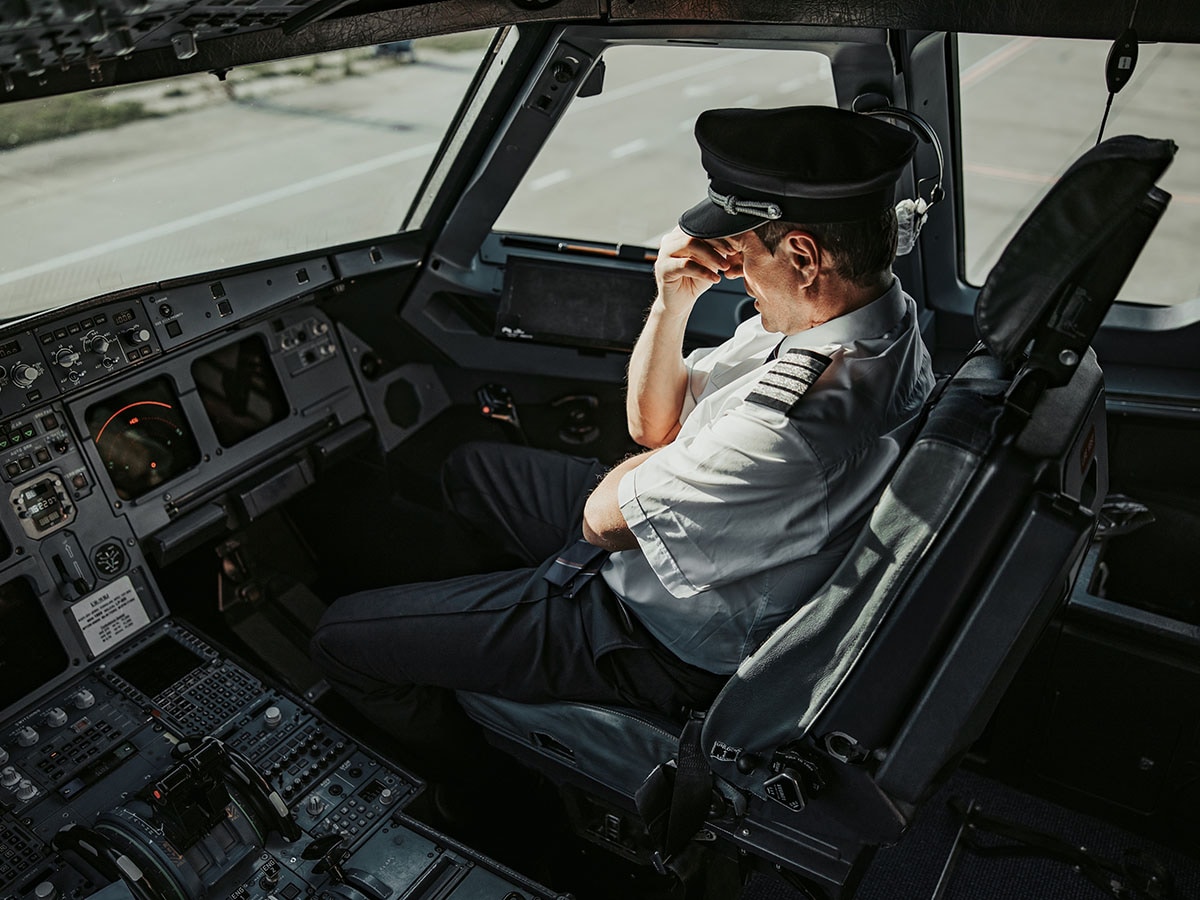
The Federation of Indian Pilots (FIP) has asked the Directorate General of Civil Aviation (DGCA) to withdraw exemptions given to airlines from Flight Duty Time Limitation (FDTL) rules and fully implement the approved provisions. FDTL rules decide how long a pilot can be on duty, how long can they fly and how much rest they must get before the next duty.In a September 15 letter to the DGCA director general, reviewed by Forbes India, FIP President Captain CS Randhawa also called for an independent scientific review of pilot health trends and fatigue-related medical events. The letter was copied to the Ministry of Civil Aviation, the Prime Minister’s Office, the Aircraft Accident Investigation Bureau and the Parliamentary Standing Committee on Transport, Tourism and Culture.FIP has listed six pilot fatalities between November 2023 and September 2026 in the letter, asking the DGCA to examine fatigue exposure, rostering, recovery time, medical surveillance and the way airlines manage fatigue. It has also proposed a DGCA-led National Fatigue Risk Management System (FRMS) Oversight Programme to look beyond fixed duty and rest limits and assess factors such as sleep, workload, night flying, consecutive duties and circadian disruption.However, the pilot body added that “FIP does not seek to establish any direct causal link between fatigue and the individual fatalities referred to in the representation”.Also Read: Two more Air India pilots return non-negative drug testsThis is the fourth communication from FIP on the issue in recent months. It follows letters dated July 9 and August 21 and an email dated August 23.The FDTL rules have been a contentious issue for India's aviation industry since the DGCA revised them in 2024. The main changes under the new rules included: Increase of minimum continuous weekly rest from 36 hours to 48 hours.The night period was extended by an hour, from midnight to 6 am.The maximum number of night landings in a duty period was cut from six to two.For operations extending into the night period, maximum flight time was set at eight hours and maximum flight duty period at 10 hours.Airlines must submit quarterly fatigue reports, including the action taken on reported fatigue. The DGCA said the system should be non-punitive and confidential.The rules take into account the window of circadian low (WOCL), broadly the period between 2 am and 6 am when the body's natural alertness is at its lowest, when determining how long a pilot can remain on duty.The DGCA originally required airlines to comply with the revised rules by June 1, 2024. That deadline was not met as airlines sought more time. The revised rules were then introduced in two phases in 2025. The first phase came into effect on July 1, while the second phase came into effect on November 1. Within weeks, IndiGo faced widespread disruption to its services, cancelling 2,507 flights and delaying another 1,852 between December 3 and 5. On December 5, the government put the FDTL orders in abeyance to stabilise operations. IndiGo was given temporary exemptions from some provisions until February 10, 2026.In March, the conflict in West Asia and the closure of Iranian and Iraqi airspace created another problem: Longer flight routes meant longer duty periods for some international operations. The DGCA consequently allowed further temporary FDTL relaxations for affected flights until April 30. But the relaxations did not end there as some airlines were exempted due to operational constraints.
Read full article on Forbes India
Related News